Design & Build
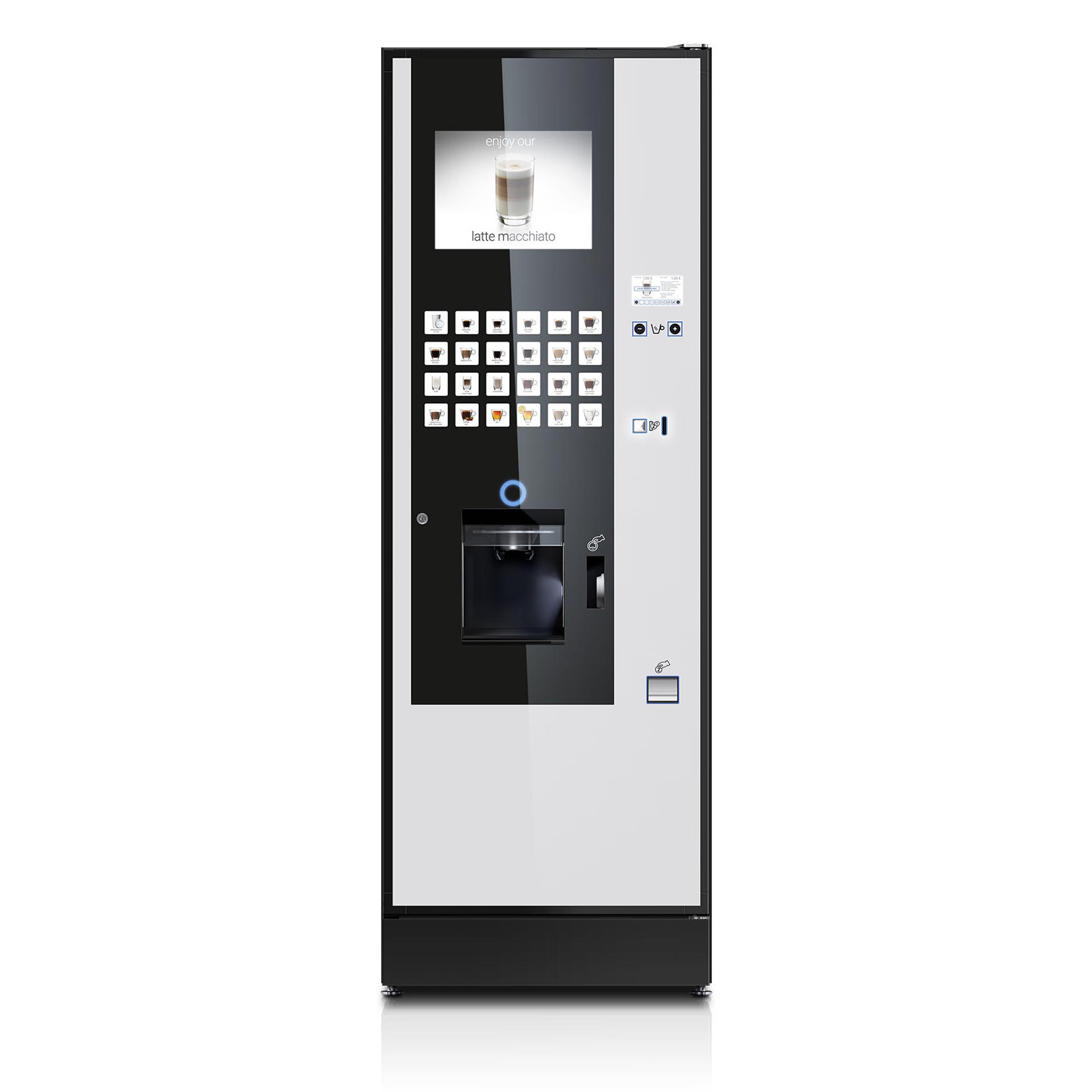
At 370 mm width, 620 mm depth, and 762 mm height, the La Cimbali / Faema X30 occupies a compact footprint relative to its performance class, yet remains non-negligible. The documented weight is 79 kg, emphasising its design as a stationary counter unit requiring permanent placement. Mobile deployment or frequent relocation is practically excluded. Installation guidelines require a minimum clearance of 20 mm from walls and surrounding furniture, with no compromise possible in service access zones. The machine must operate indoors at temperatures between 10 and 32 °C per the operating instructions. Outdoor placement is not permitted.
Notable features include two stainless steel boilers with external insulation, which provide clear separation between coffee and service circuits inside the unit. The smaller coffee boiler holds 0.7 litres according to the datasheet; the larger steam boiler holds 1.25 litres. The design follows established professional standards: all water-carrying components and relevant wear parts are frontally accessible to service technicians, provided installation guidelines are followed. Optional cooling modules—4-litre or 8-litre milk chillers, plus a separate cup warmer module—can be mounted to the unit roof, adding space and height demands if counter depth is limited.
The control panel is a 10.4-inch capacitive glass touchscreen, notably refined compared to simpler models. Multi-touch and haptic feedback are not mentioned. The button layout and screen grids support up to 48 beverage variants, though legibility suffers at full capacity. Outlet height adjusts between 68 and 174 mm, which is solid but unremarkable for mid-range machines. The outlet is optionally motorised and stores one position per programmed beverage—efficient in continuous-duty cycles, though inflexible. The solid construction and metal components promise strong service accessibility, yet access should be verified regularly, especially with optional modules installed.
Material quality appears appropriate for moderate to heavy-traffic venues, yet the 79 kg mass demands careful planning for transport and service management. One ergonomic weakness persists: touchscreen operation in humid environments—where coffee or milk residue is present—is unreliably responsive in practice. A stylus or frequent cleaning may be necessary, as capacitive surfaces are notoriously sensitive to moisture on fingers. Operators needing many custom screen setups must budget extended initial configuration time between recipe, outlet, and milk system settings.
For small cafés or sites with rotating staff, the build is oversized. The product line clearly targets larger operations where infrastructure, footprint, and service logistics are already thoroughly planned.