Design & Structural Layout
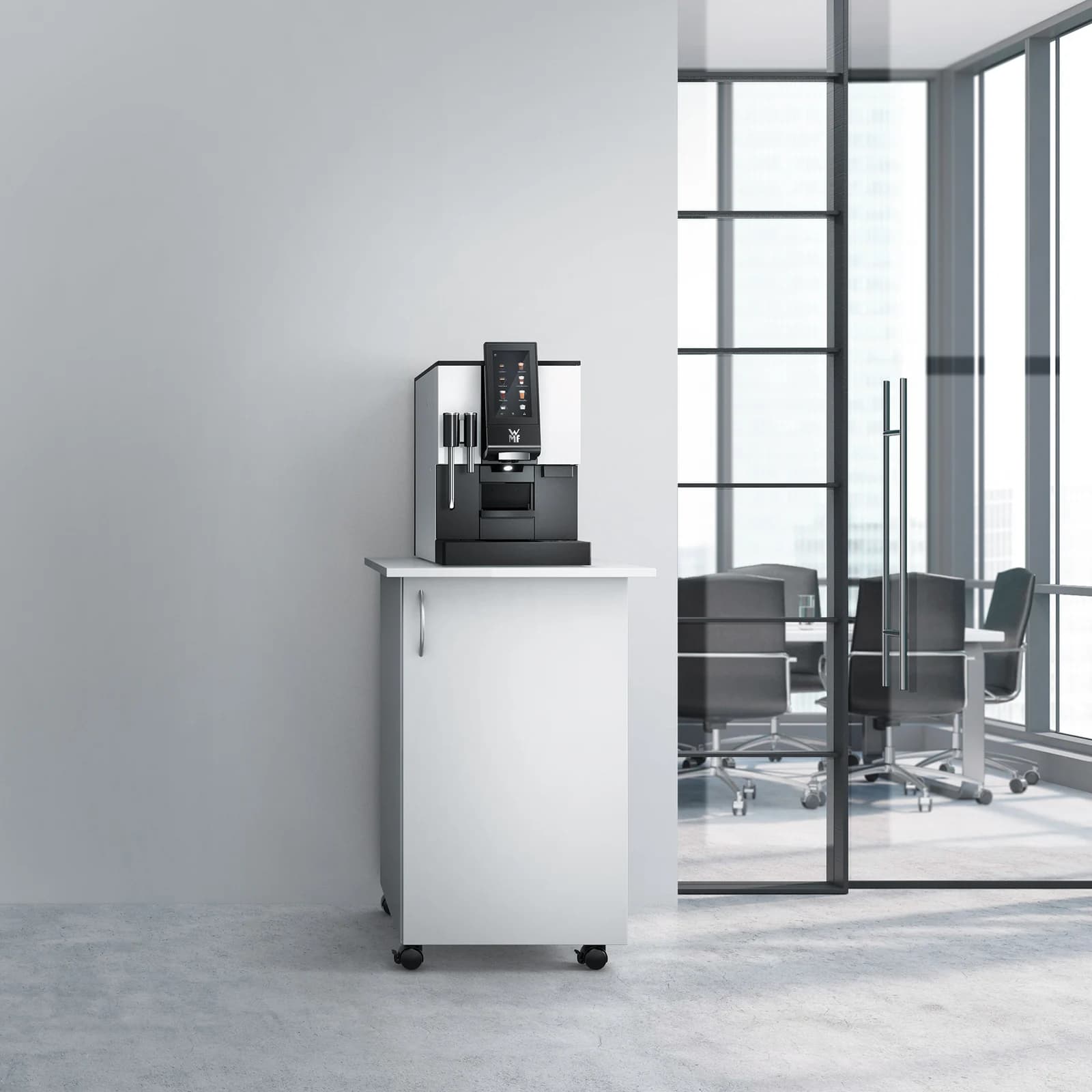
At dimensions of 270 × 465–545 × 587 mm for the A300 mains-water version, the fully automatic machine remains comparatively compact, though it is no longer in the segment of typical household appliances. Width varies depending on the selected water supply. With water tank, the cabinet expands to a stable 340 mm. The weight is approximately 25 kg according to the datasheet. For smaller counters with tight space constraints, advance space planning is necessary, especially if a side dispenser for milk or an external grounds bin is to be integrated. Required maintenance clearances must be observed: the A200 operating manual requires at least 50 mm at the rear, 200 mm above and 60 mm on each side. Without these clearances, trouble-free service access is not assured.
The cabinet consists visibly and tactilely primarily of durable plastic. Stainless steel is evident partially at heavily used contact surfaces such as the coffee outlet and drip tray, underlining the industrial specification. Small parts, levers and flaps appear sufficiently robust, though visually they do not match the level of classic stainless-steel machines found in large hospitality. The material impression therefore remains rather functional than exclusive. In daily operation, scratching is not ruled out.
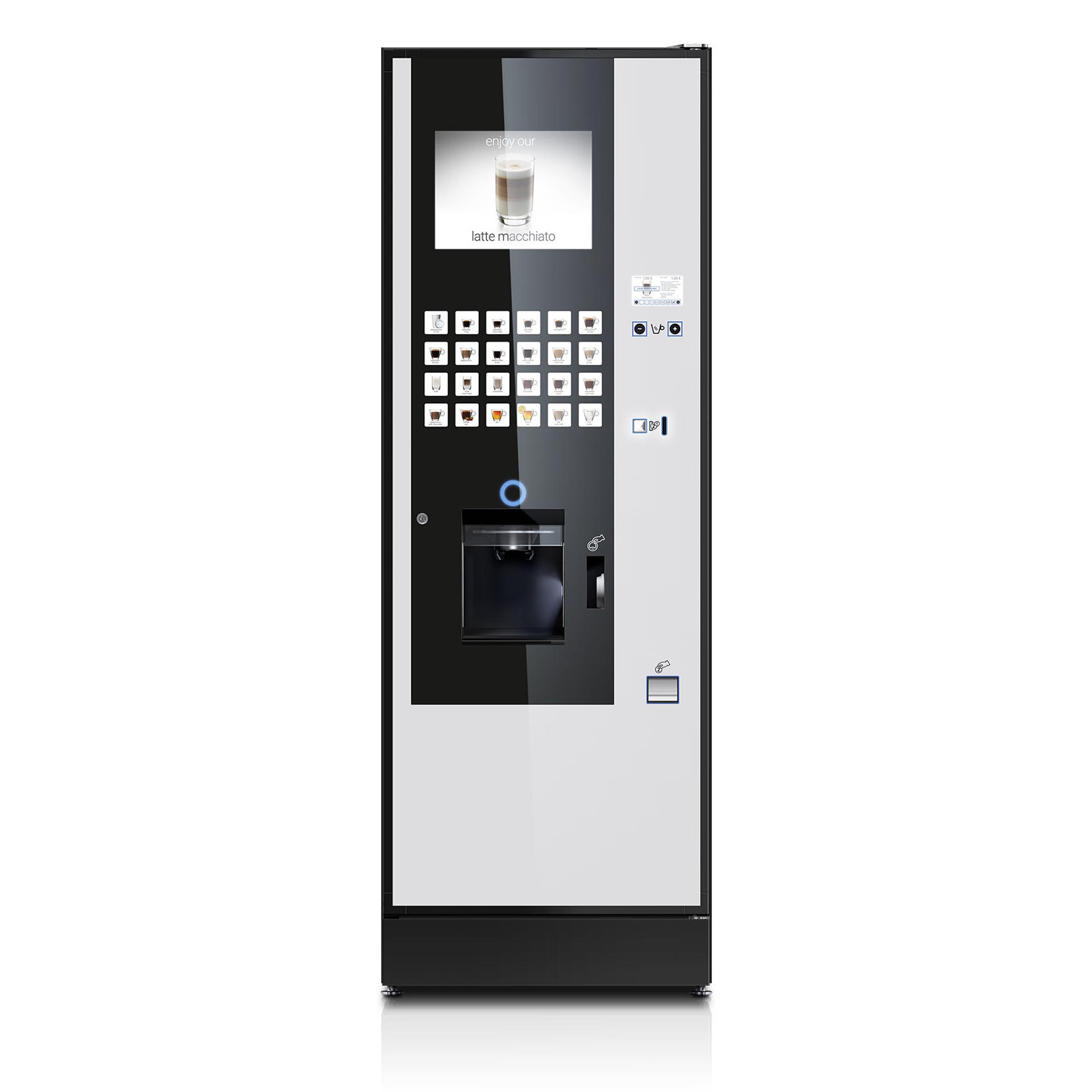
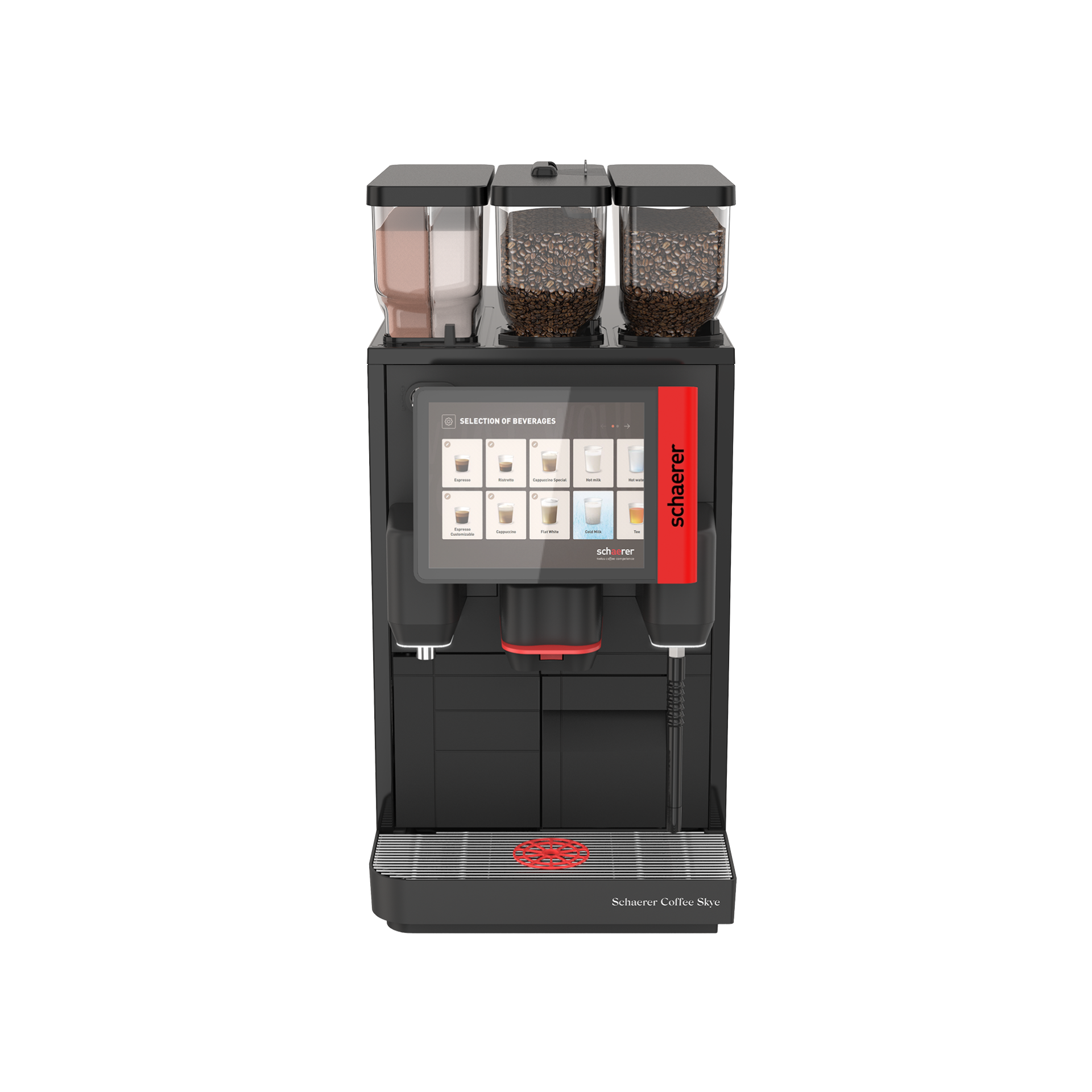
The primary user interface is a generous 8-inch touchscreen. Positioning at the front facilitates operation for different user heights. The panel follows a menu-driven quick-select logic: beverages can be selected directly with image support and text labels. Gloved operation is only partially practical, as the touchscreen technology relies on finger contact. For self-service installations such as canteens or small hotels, this results in a clearly legible but not vandalism-resistant surface. The software does not differ significantly from other Franke models but benefits from visual language that guides even untrained personnel through selection.
In terms of everyday use, there is no modular expansion concept for under-counter mounting or precisely angled counter integration. Optionally, a grounds bin or milk module can be added, but the underlying chassis architecture remains constant. The compact but minimally customisable cabinet limits deployment in tight shop-in-shop configurations. In return, stability is maintained even at full bean and milk loading. The machine is clearly designed for counter operation and service-supported deployment; in self-service contexts, structured user guidance is essential. For high-traffic locations with high user turnover, the material durability should be critically evaluated.
Sources: Franke A300 Product Leaflet DE 07/23, p. 2, Franke A300 – official product page, Franke A200 original operating manual