Design & Construction
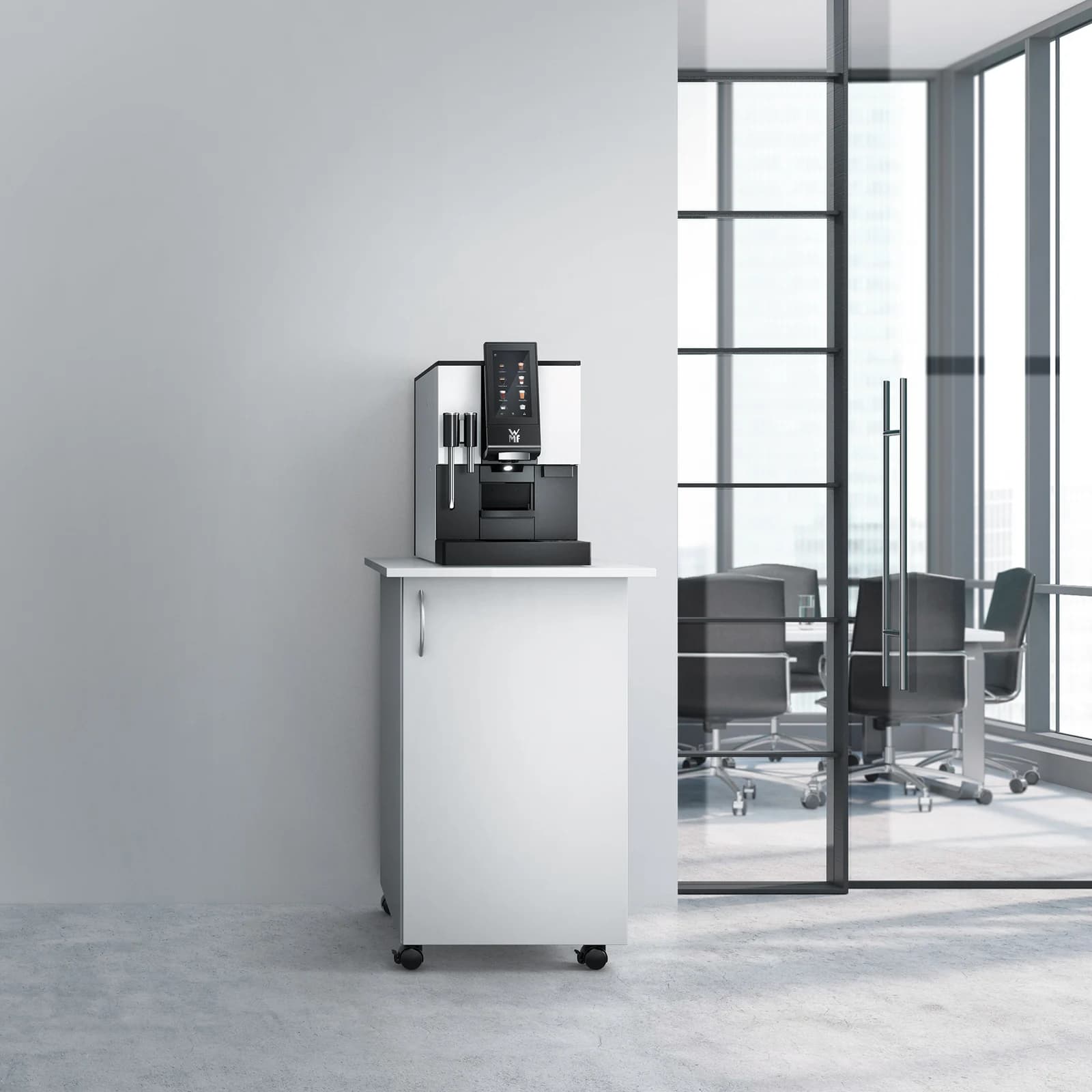
326 mm width, 622 mm height, 520 mm depth: the Prontobar Touch dimensions are compact by industry standards. Nevertheless, the machine requires a stable, level mounting surface at least 900 mm above floor level, plus 100 mm clearance on either side for ventilation. At 40 kg net weight, the machine must be installed by two people in commercial settings or rolled in on a cart. The housing is composed of stainless steel and ABS plastic. Solid standard for this class, but with visible seams at connection points between side panels and front. Plastic surfaces under heavy use are prone to micro-scratches and discoloration, which should be considered in customer-facing zones.
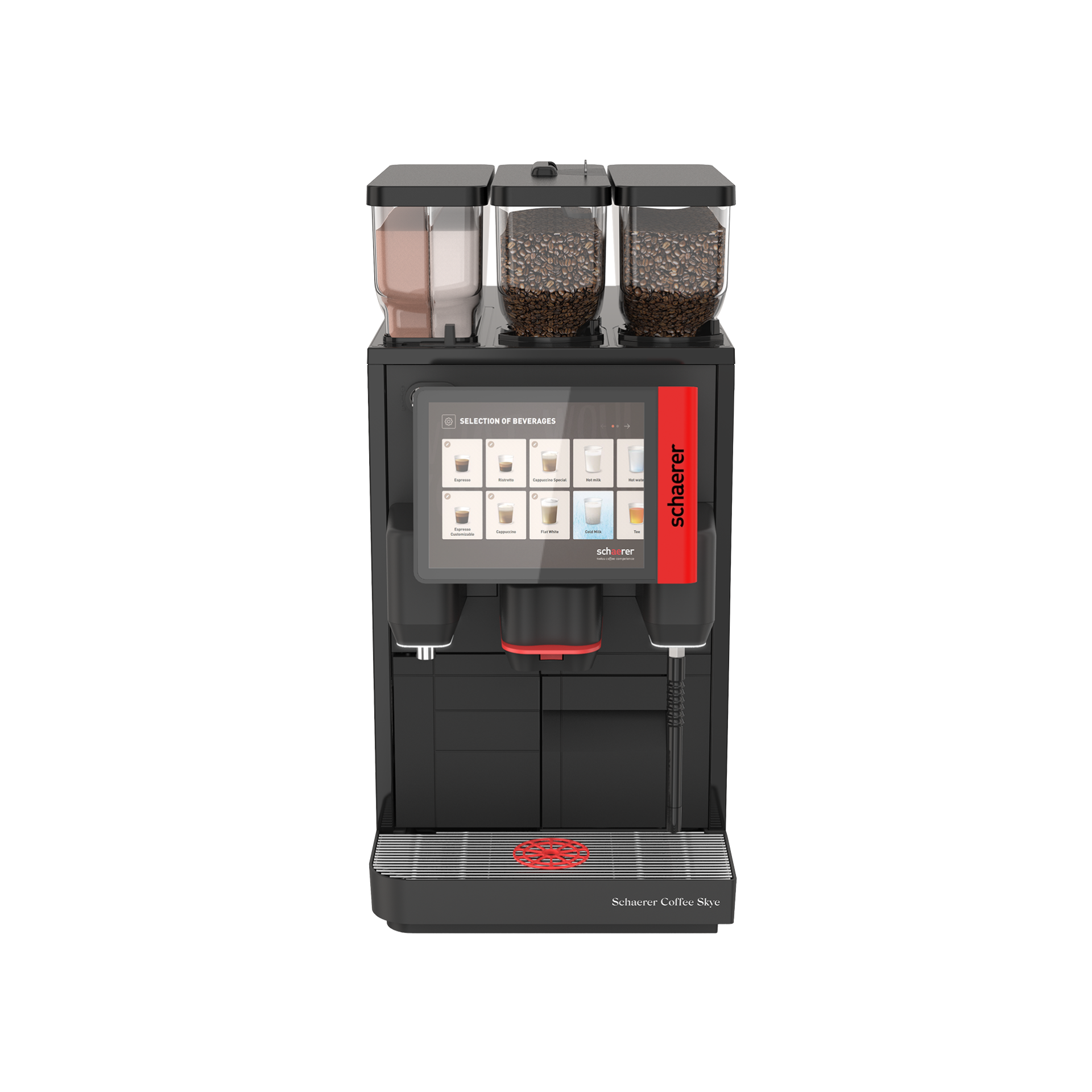
The control panel features a 7-inch touchscreen display (TFT). According to the manufacturer's brochure, up to 20 beverage selections can be displayed with icons, with 24 programs total available. Buttons display clear icons and can be individually named. The touchscreen responds quickly, but operator training is recommended: menu depth and structure risk causing confusion with casual use. The user manual (original, p. 31) prescribes the workflow for milk and coffee settings in several steps. A standard USB port is integrated for managing recipes, settings, and display graphics. Saving, copying, and fleet-wide replication can be controlled via this port.
The coffee outlet is height-adjustable (70–140 mm). This reduces splash risk with small espresso cups and allows clearance for tall latte glasses. The spent grounds container holds 30–40 portions, reducing service calls at low throughput but demanding frequent emptying at peak capacity: 140 cups per hour is realistic only with additional staff. Each bean hopper holds 0.8 kg. This capacity is adequate for high-volume sites with fewer than 80 employees. For canteens or conference hotels where approximately 1 kg per hopper is consumed daily, refilling can become a routine task.
Wiring and technical connections are located at the rear. Water and tank connections are routed on the sides and rear; power supply enters at the lower left. Maintenance access requires at least 10 cm clearance on each side from adjacent installations. This makes installation in tight pantry spaces challenging. Fully recessed counter integration is thus scarcely feasible. Heat buildup from blocked ventilation slots is a real risk if space requirements are not observed. The machine does not output active status messages regarding temperature or air circulation.