Skip to content

Knowledge & decisions

All guides

Knowledge for buying, planning and operating. Explore all our guides.

25 guides

Fundamentals & Getting Started

Hygiene plan for hot drinks vending machines: cleaning, HACCP and records

What cleaning obligations apply to hot drinks vending machines, which intervals must operators set themselves based on risk, and what records should the hygiene plan include? This guide distinguishes legal requirements, HACCP practice and standards guidance without prescribing blanket cleaning intervals.

14 min read
Fundamentals & Getting Started

The Ideal Vending Machine Mix: Combining Hot Drinks, Snacks and Water

Which combination of hot drinks, snacks and water is right for an office, a public venue or a small site? This guide helps operators assess sales mix, site requirements, hygiene, refrigeration, replenishment and cashless payments.

14 min read
Fundamentals & Getting Started

Reusable Packaging in Vending: Legal Requirements, Cost Models and Practical Implementation

Reusable packaging in vending requires separate consideration of the type of machine, public access, hygiene and return logistics. This guide explains the requirements in Germany, compares three implementation models and shows how operators can calculate costs without relying on unsupported flat-rate prices.

18 min read
Fundamentals & Getting Started

Card payments: yes or no? Calculate the business case for going cashless

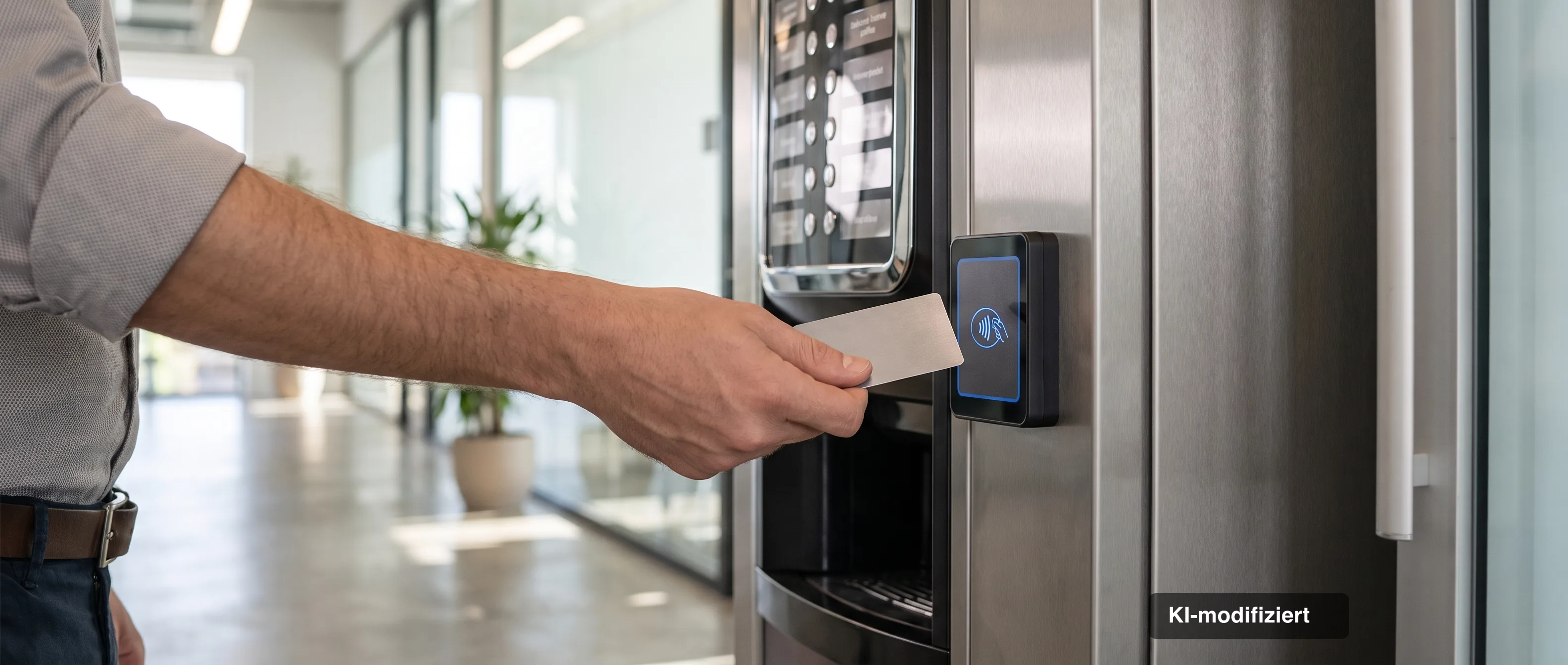
From 500 sales per month, cashless payment at a vending machine pays off in almost every scenario. This guide compares the costs of the three common billing models, explains technical requirements such as MDB and the BFSG, and provides concrete figures based on the BDV’s 2022 model calculation.

10 min read
Fundamentals & Getting Started

Allergen Labelling and Food Compliance in Vending: A Complete Operator’s Guide

There are 621,000 vending machines in Germany, dispensing 11.5 million products every day. Under EU law, every operator is a food business operator with full HACCP, labelling and training obligations. This guide explains all seven core obligations, with their legal basis and practical implementation steps.

10 min read
AI MODIFIED
Fundamentals & Getting Started

MDB 4.3, EPS v2, EVA-DTS explained: Which standards does your vending machine really need?

MDB 4.3, EVA-DTS 6.2.2 and EPS v2 determine whether a payment terminal works at a vending machine, whether sales data flows automatically into the back office, and whether an operator can bid on tenders. This guide explains the difference and shows which combination is right for different operator sizes.

9 min read
AI MODIFIED
Fundamentals & Getting Started

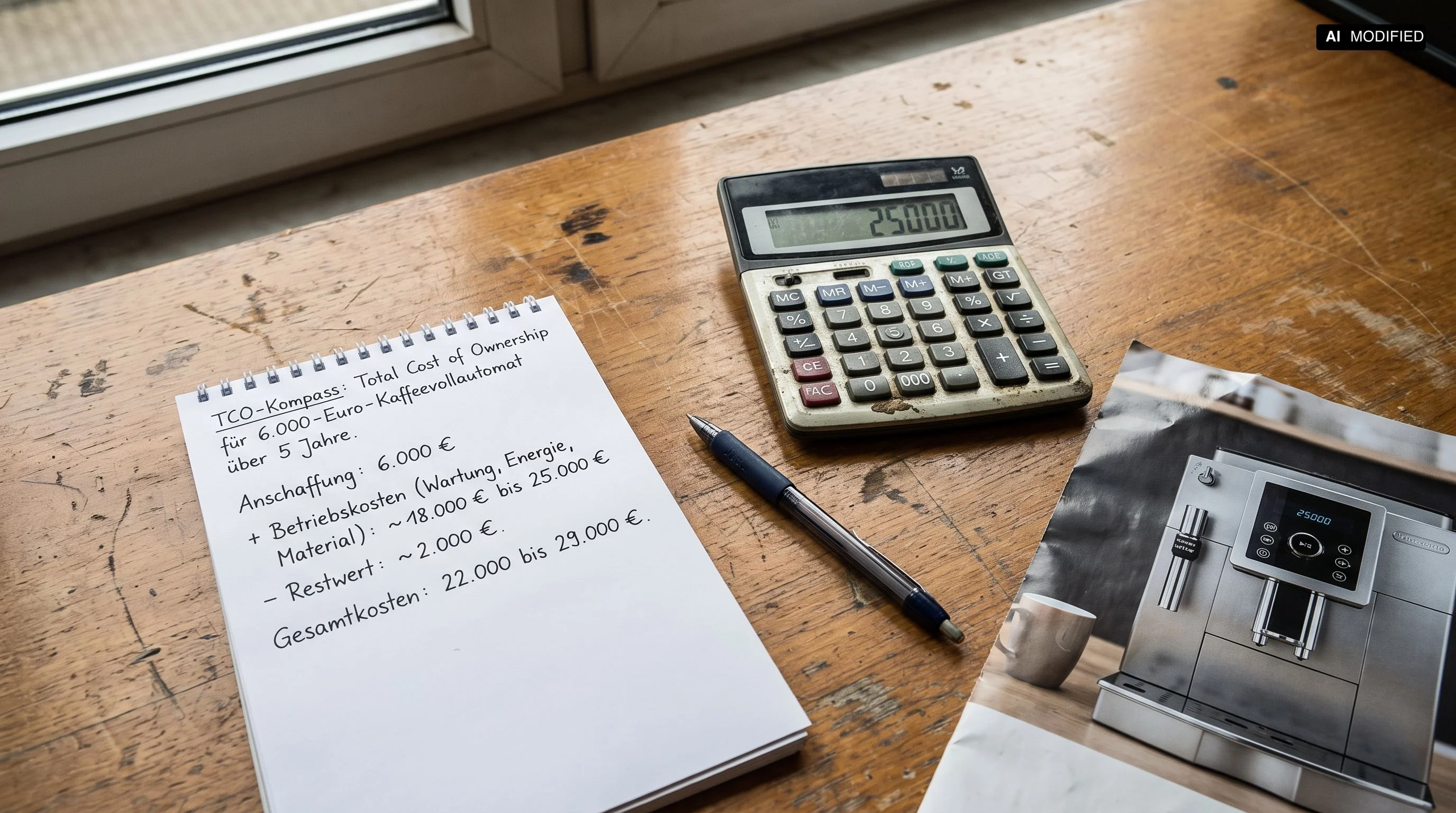
TCO Compass: Understanding and Calculating Total Cost of Ownership Correctly

Purchase price, energy, maintenance, refill costs and payment systems: operators who focus only on acquisition overlook up to 70 percent of actual machine costs. This guide explains the TCO formula, works through three scenarios for purchase, leasing and rental, and lists the cost positions most frequently missed in practice.

9 min read
AI MODIFIED
Fundamentals & Getting Started

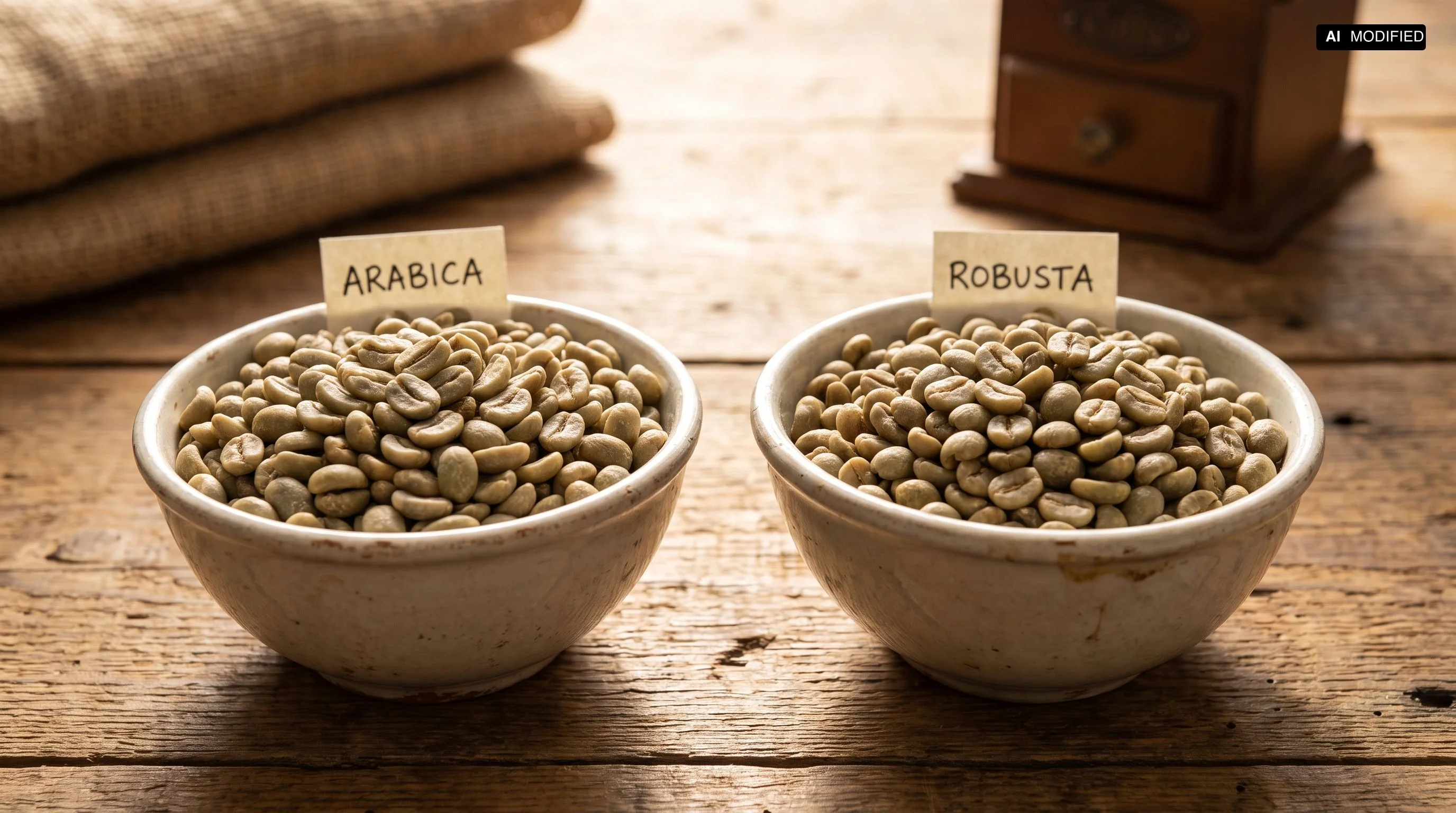
Coffee Knowledge for Vending: From Origin to the Perfect Cup in the Machine

On average, each German drinks 161 litres of coffee annually in 2025. What distinguishes Arabica from Robusta, which brew parameters matter in the machine, and how operators can realistically calculate costs per cup: a compact guide with figures from industry sources.

12 min read
AI MODIFIED
Fundamentals & Getting Started

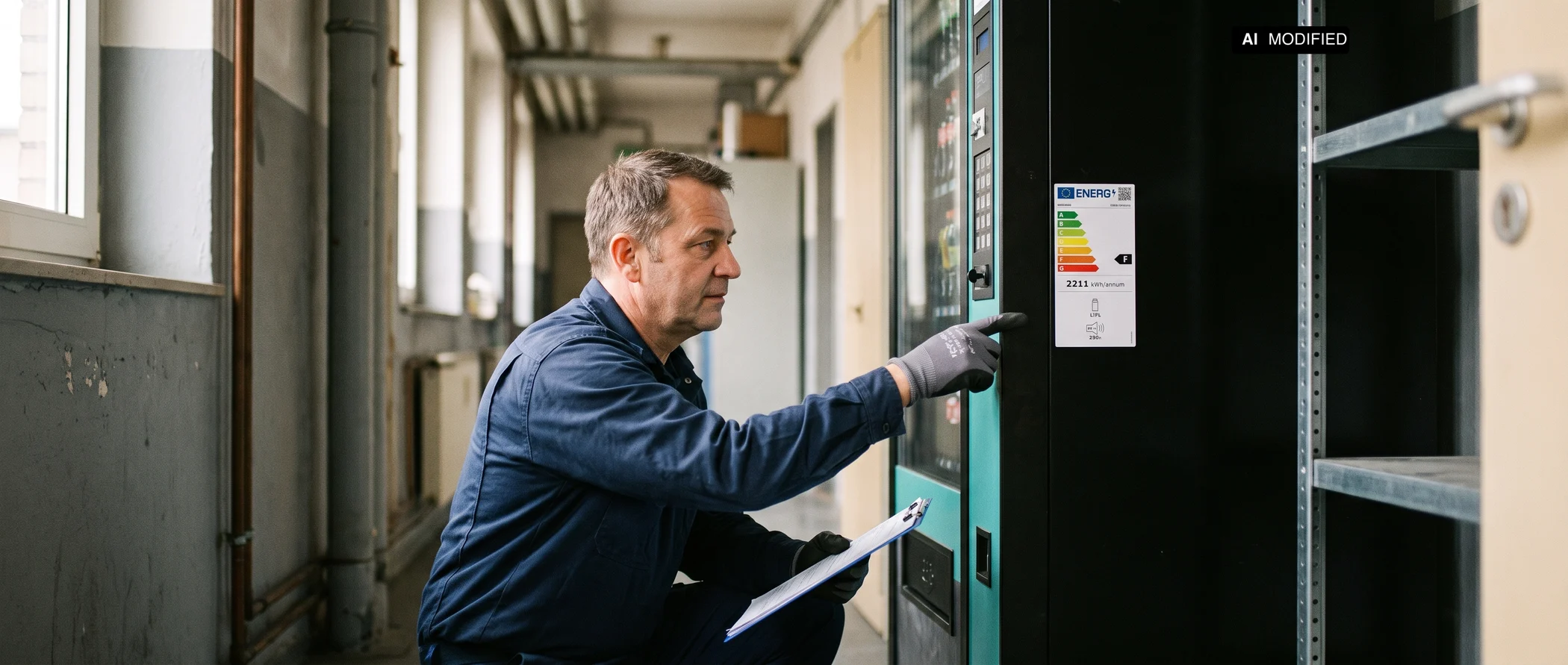
Energy label on the machine: What that letter really costs per year

The rating on the EU energy label is an assessment per litre of useful volume, not a cost specification. Two class F machines in our inventory differ by €71.68 per year, and the larger is more efficient per litre. What you should ask for instead, and how kilowatt-hours at 27.15 cents become an annual cost.

8 min read
AI MODIFIED
Site Selection & Placement

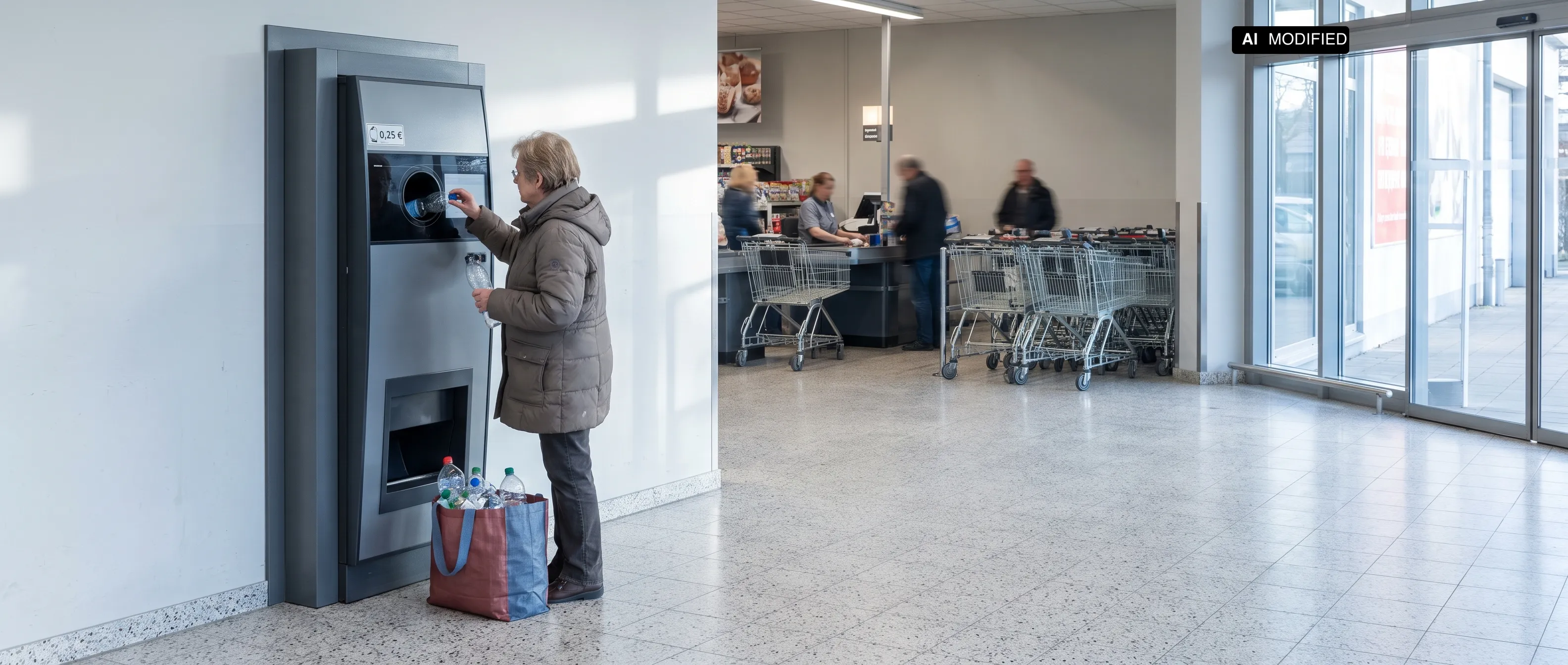
Deposit returns in retail: standalone unit or backroom system

A standalone deposit return unit requires 0.80 square metres; a backroom system requires 5.5 to 8. Four units compared by manufacturer data: footprint, power supply, throughput, and container types they accept — plus the point where German packaging law states only a best-efforts obligation.

11 min read
AI MODIFIED
Legal & Compliance

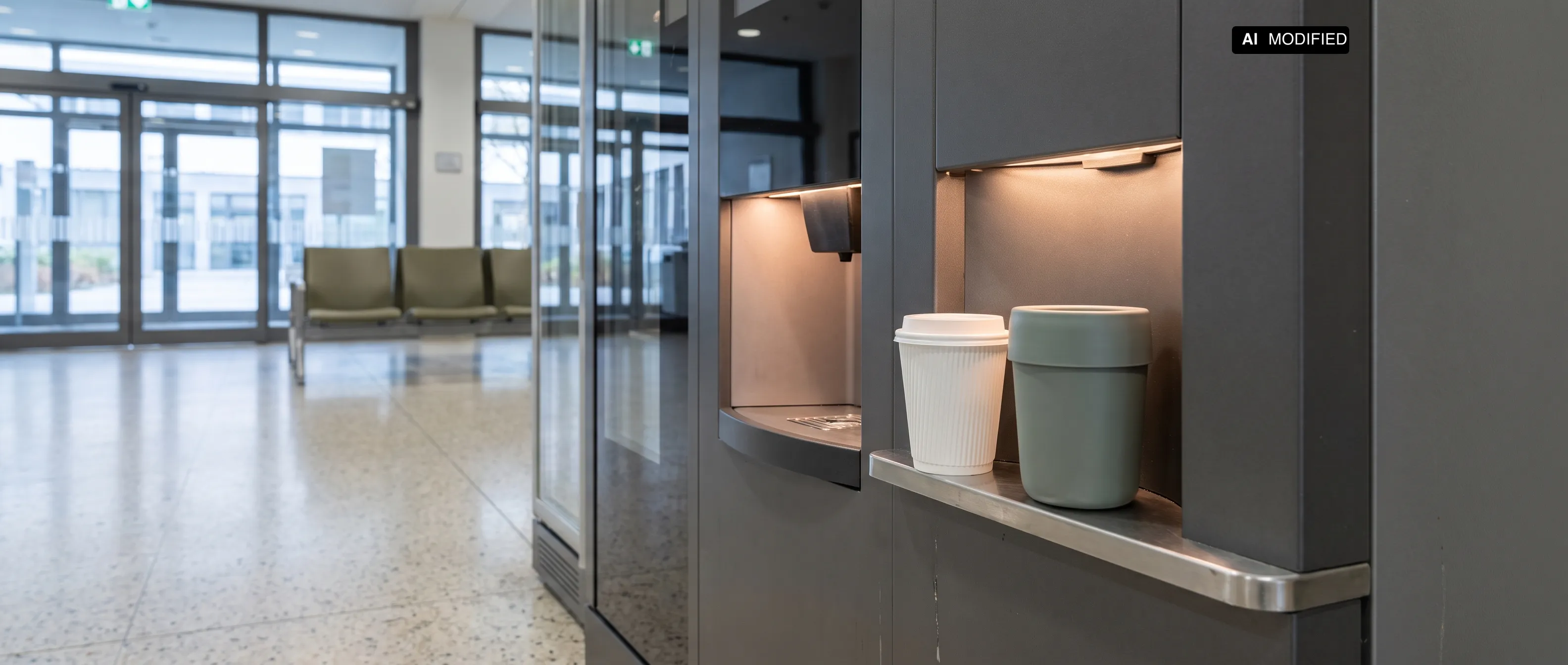
Reusable cups at coffee vending machines: what §60 VerpackDG requires from the device

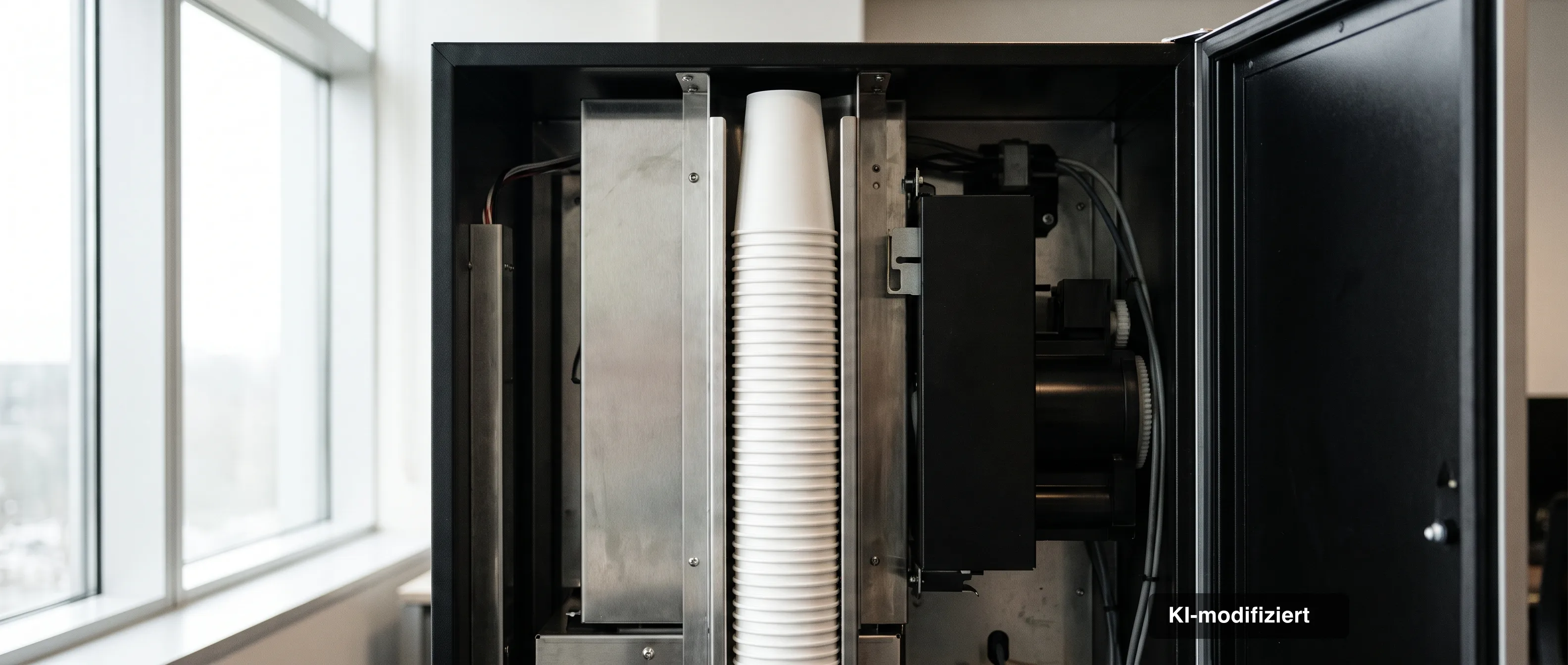
Publicly accessible coffee vending machines must offer beverages in reusable packaging at no higher price. For vending machines, §61 subsection 2 permits offering customers the option to fill their own containers. The outlet height therefore determines viability: 65 to 185 millimetres per device.

11 min read
AI MODIFIED
Quality & Certifications

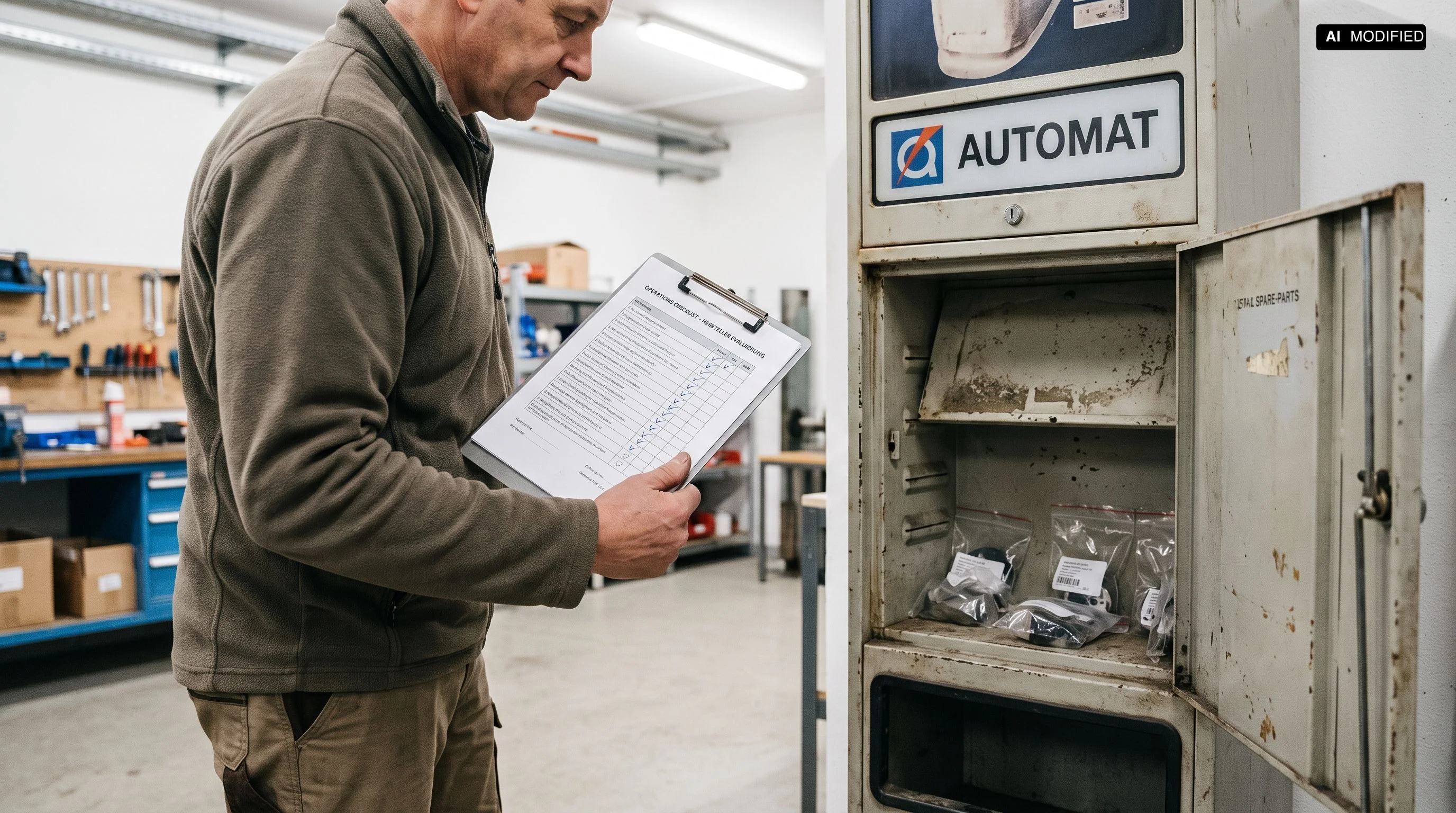
Evaluating Manufacturers the Right Way: Operator Procurement Checklist

Not the model, but the manufacturer behind it determines spare-parts availability, service quality and machine lifetime for vending operators. This checklist shows which certifications, association standards and contract clauses actually matter in procurement – and where operators need to pay attention.

12 min read
AI MODIFIED
Legal & Compliance

Accessibility at vending machines: what the BFSG requires — and what it doesn't

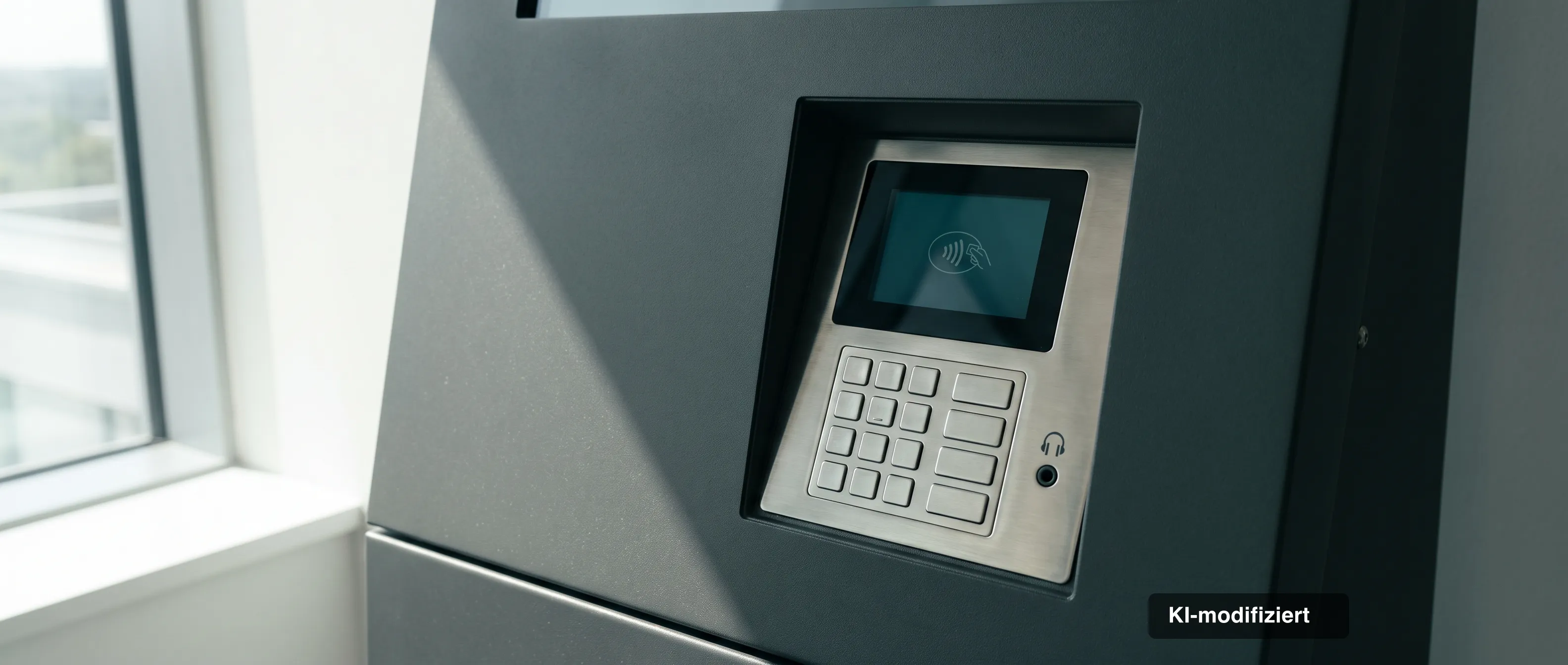
A coffee machine, snack machine, deposit return machine and parcel locker are not covered products under the Accessibility Enhancement Act (BFSG) — but the card payment terminal inside is. What § 1 section 2 number 2 exhaustively lists, which six requirements the regulation places on self-service terminals, and why the frequently cited deadline of 2040 does not appear in the law this way.

11 min read